







Search Results for: Blue Mountain Coffee Comparison
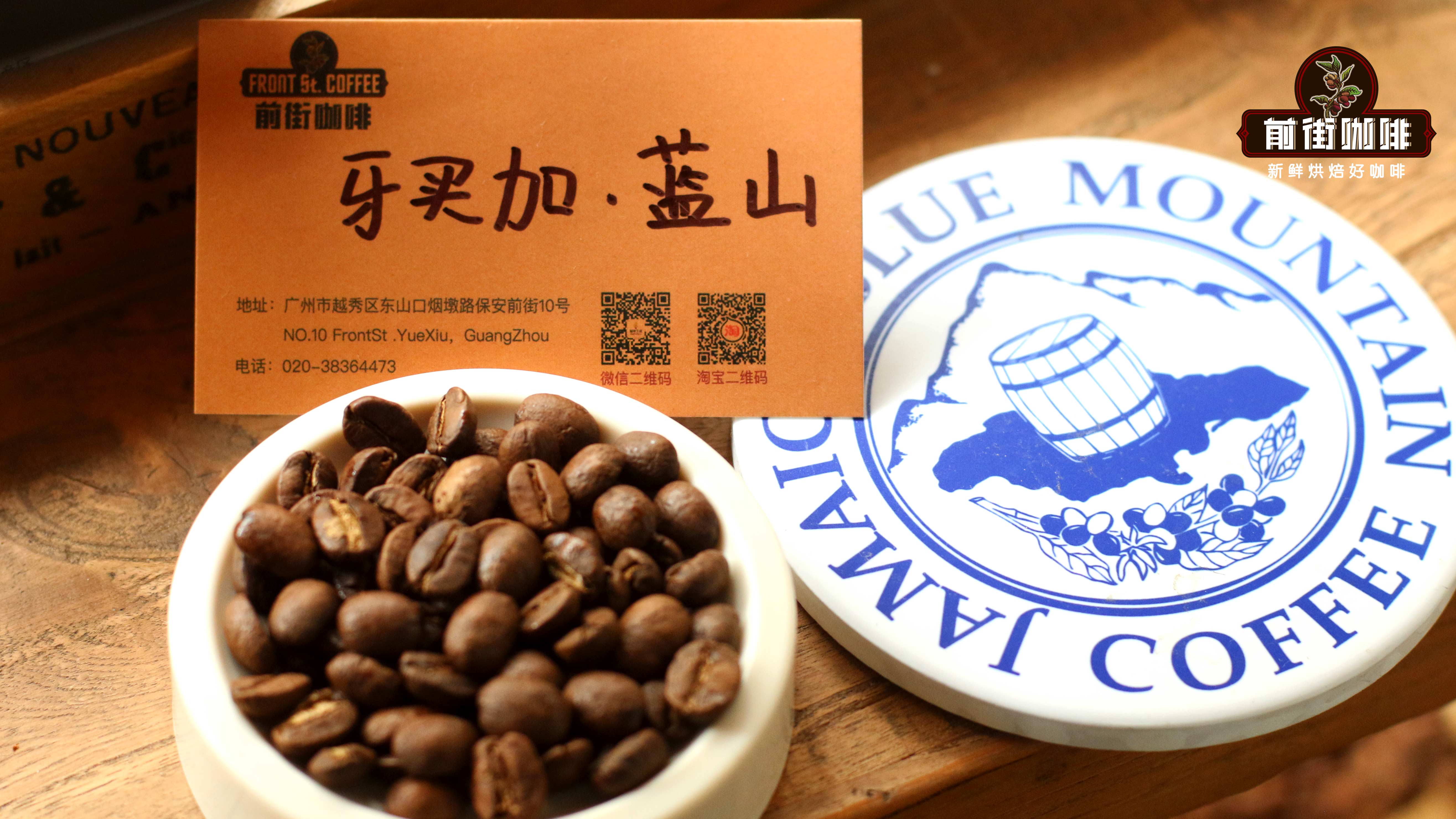
Comprehensive Comparison of Mandheling and Blue Mountain Coffee: Origin, Flavor, Processing Methods, and Front Street Brewing Analysis
When searching for coffee with a rich, full-bodied taste, Mandheling and Blue Mountain are often two names that cannot be avoided. Although many enthusiasts have long heard of them, the specific differences between the two are not necessarily clear. Front Street Coffee frequently receives similar questions, so this article will systematically sort out the differences between Jamaican Blue Mountain coffee and Indonesian Golden Mandheling from multiple dimensions, including geographical origin, processing methods, green bean characteristics, cup testing flavor, and brewing performance. Whether you are a beginner who has just started or a veteran who wants to understand the characteristics of the bean varieties in depth, you can find the answer through this detailed comparison, and you will also see Front Street brand's specific recommendations and brewing parameters for these two classic beans. [more…]
Comprehensive Comparison of Mandheling Coffee and Blue Mountain Coffee: Analysis of Origin, Processing Methods, Green Bean Characteristics, and Pour-Over Flavor Differences
Mandheling and Blue Mountain are often regarded as the two great representatives of full-bodied coffee, but their styles diverge sharply—the former is intense and aromatic, the latter balanced and sweet. From the perspective of Front Street Coffee, this article systematically sorts out the specific differences between Jamaican Blue Mountain and Indonesian Golden Mandheling in terms of geographical terroir, processing methods, green bean appearance, and cupping flavors. Blue Mountain comes from the high-altitude volcanic soil of a Caribbean island and uses the washed process; Golden Mandheling comes from Sumatra, where the wet-hulled method gives it its unique character. The article also includes Front Street Coffee's pour-over comparison parameters and flavor notes to help coffee enthusiasts more clearly understand the essential differences between these two classic coffees. [more…]
Espresso vs. Blue Mountain Coffee: A Comprehensive Comparison of Flavor Differences from Brewing Methods to Bean Selection
Coffee enthusiasts often ask: what exactly is the difference between espresso and Blue Mountain coffee? Which one tastes better? In reality, these two belong to completely different conceptual categories—the former is a high-pressure rapid extraction method originating from Italy, while the latter is a premium coffee bean variety produced in the Blue Mountain region of Jamaica. This article will provide a detailed comparison from the perspectives of brewing principles, flavor characteristics, and identification points, helping readers clarify the essential differences between espresso and Blue Mountain coffee. It will also introduce the unique features of Front Street Blue Mountain No. 1 coffee beans, and why making espresso with Blue Mountain beans becomes an interesting hypothesis. Whether you are a beginner just getting into coffee or an enthusiast hoping to deepen your coffee knowledge, you will gain a clear understanding from this. [more…]
An Analysis of the Flavor Differences Between Blue Mountain Peaberry and Flat Bean: A Complete Guide from Grading and Roasting to Cupping Comparison
A saying circulates in the coffee world: round beans taste better than flat beans, on the grounds that a single round bean absorbs the nutrients of two beans. Does this view really hold up? This article starts with Front Street Coffee's Jamaican Blue Mountain R.S.W round beans, systematically sorts out the formation principles, grading standards, and roasting characteristics of round beans, and through an actual roasting comparison and cupping verification of Front Street Coffee's Blue Mountain round beans and flat beans, objectively analyzes the true differences between the two in flavor performance. If you are currently torn between choosing round beans or flat beans, this article may give you a rational answer. [more…]
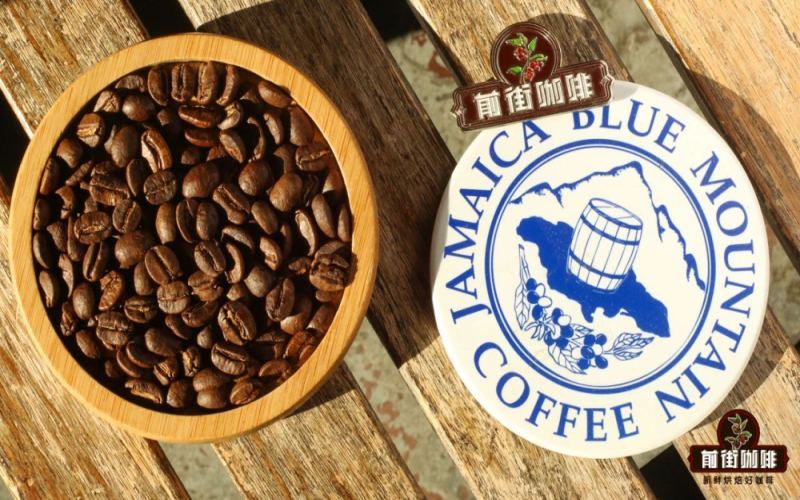
Blue Mountain Coffee vs. Mandheling Coffee: A Comprehensive Comparison from Origin and Processing to Brewing Flavor
Blue Mountain and Mandheling are two full-bodied coffees that are often mentioned in the same breath, yet each has a distinct personality in terms of origin terroir, varietal genetics, green bean processing, and cup profile. From the perspective of Front Street Coffee, this article sorts out the core differences between Jamaican Blue Mountain and Indonesian Golden Mandheling in geographic environment, washed and wet-hulled processing, and green bean grading, and includes a flavor comparison under the same set of pour-over parameters to help coffee lovers more clearly understand the unique characteristics and brewing key points of these two beans. [more…]
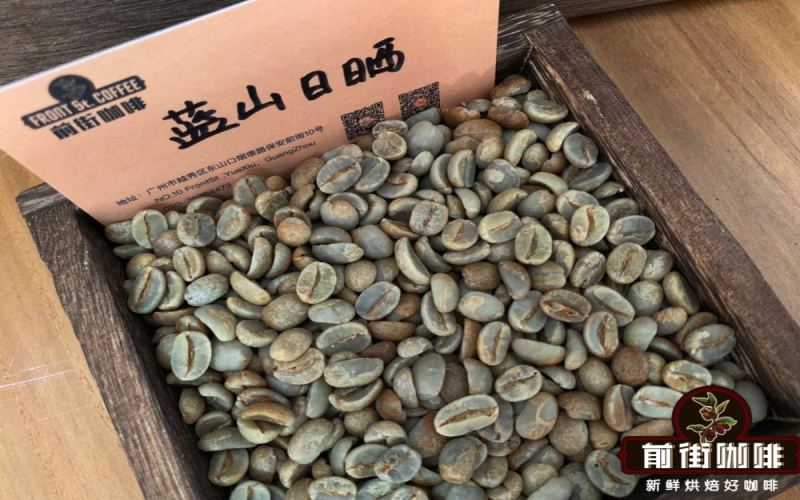
In-Depth Analysis of Clifton Mount Blue Mountain Geisha: Green Bean Grading Rules and Flavor Cupping Comparison
In 2020, the news that Clifton Mount Estate was launching a Blue Mountain Geisha sparked heated discussion in the coffee community: if Geisha is grown in the Blue Mountain region, does it still count as Blue Mountain coffee? This article first introduces readers to the terroir of authentic Blue Mountain, the grading standards from NO.1 to NO.3 and PB peaberry, and the estate's cultivation history and Rainforest Alliance certification; then Front Street Coffee will compare Blue Mountain Geisha and traditional washed Blue Mountain one by one, from variety origin, roasting curve, and cupping performance to V60 brewing, clearly presenting the differences between the two in floral aroma, nuttiness, and body. If you want to understand whether this innovative bean is worth trying, you may find the answer in this article. [more…]
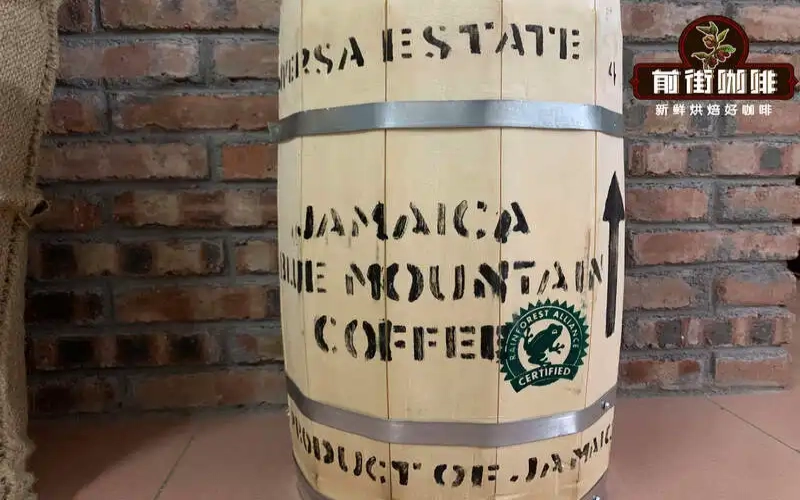
Comparison of Jamaican Blue Mountain and Indonesian Golden Mandheling: Differences in Origin, Variety, Processing Method, Cupping, and Brewing
When people seek coffee with a rich, full-bodied taste, Blue Mountain and Mandheling are often the first two names that come to mind. These two beans come from Jamaica and Indonesia respectively, each with a distinct character. Front Street Coffee conducted a complete comparison of Blue Mountain No. 1 and PWN Golden Mandheling, covering everything from origin terroir, variety characteristics, green bean grading, and processing methods to cupping flavors and brewing performance. The article not only sorts out the geographical background and processing technique differences of the two coffee regions, but also includes the specific parameters and brewing suggestions of Front Street's currently available products, making it suitable for enthusiasts who want to gain a deeper understanding of these two classic coffees. [more…]
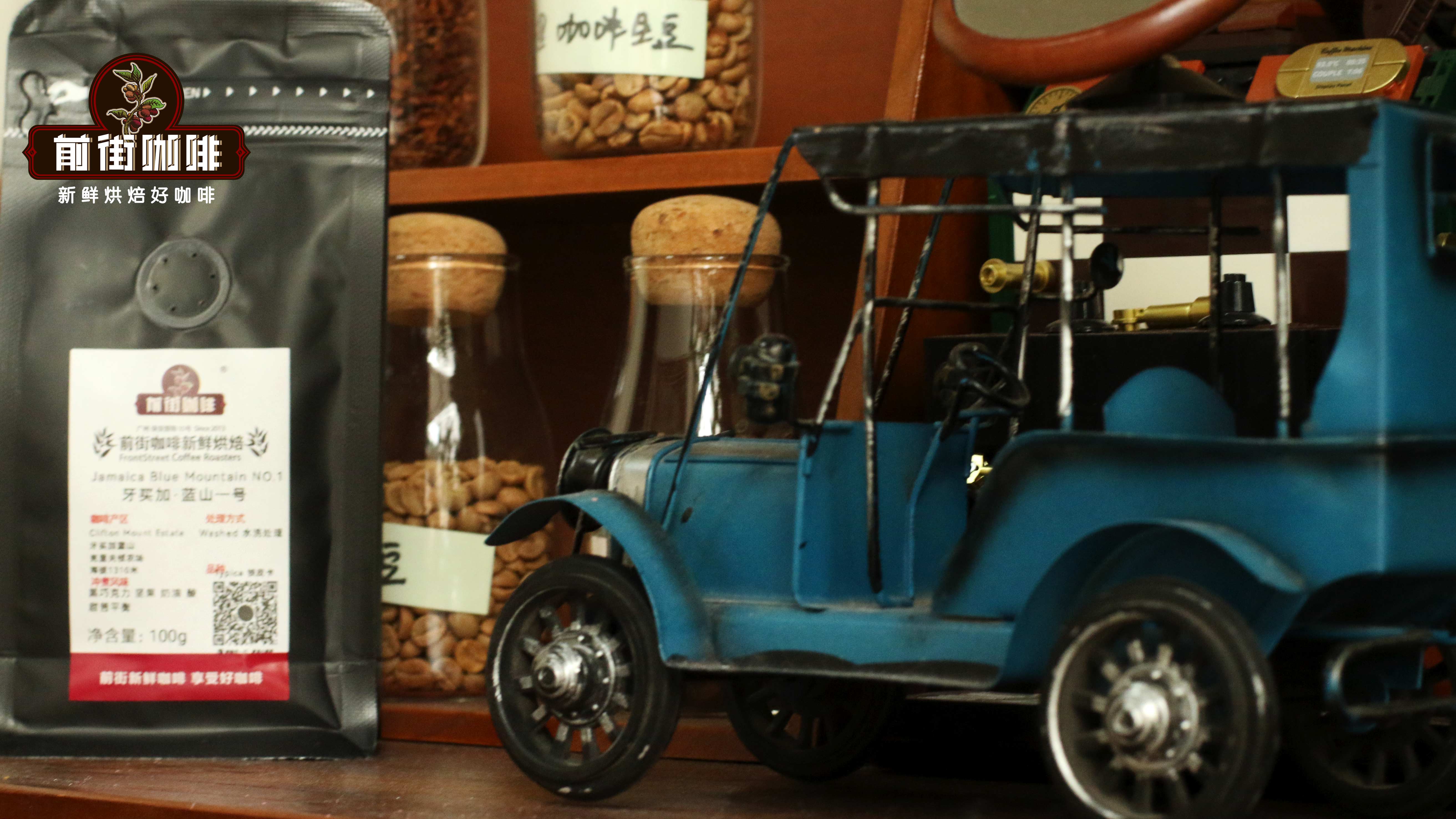
Blue Mountain Coffee Pour-Over Parameters vs. French Press Method Comparison, Washed vs. Natural Flavor Differences, and Authenticity Identification Guide
Jamaican Blue Mountain coffee is world-famous for its mellow, smooth, low-acid, and well-balanced character, making it a favorite among many coffee lovers. Front Street Coffee has long sourced Blue Mountain coffee beans and accumulated rich experience in pour-over and French press brewing. This article shares in detail the complete parameters and steps for brewing Blue Mountain No. 1 at Front Street's shop, including the reasons for choosing the KONO dripper, key details such as water temperature and grind size control, and also compares the different taste experiences brought by French press extraction. In addition, the article explores in depth the flavor differences of Blue Mountain coffee under washed and natural processing methods, analyzes the origin factors behind Blue Mountain's superior flavor, and provides practical methods for identifying authentic Blue Mountain coffee beans, helping you avoid counterfeit products when purchasing. [more…]

Who is authentic Blue Mountain coffee suitable for? Front Street Blue Mountain No. 1 washed vs. natural brewing comparison and key points for identification
Blue Mountain coffee has long been famous for its clean, balanced, and mellow flavor, but not everyone clearly understands what kind of drinker it actually suits, nor the difference between authentic Blue Mountain and the common "Blue Mountain flavor" found on the market. This article starts with Front Street Jamaica · Blue Mountain No. 1 coffee beans, sorting out the Blue Mountain producing region, Clifton Estate, and grade classifications, comparing the brewing flavor differences between the washed and natural processing methods, and providing a plan for water temperature, grinding, and pouring under the KONO dripper. At the same time, the article will also explain how to identify true Blue Mountain with the help of key points such as CIB-designated exports, barrel-packed green beans, and Rainforest Alliance certification, and further introduce recent changes such as Blue Mountain Geisha, helping coffee lovers gain a more complete understanding of the value of Blue Mountain coffee and how to drink it. [more…]
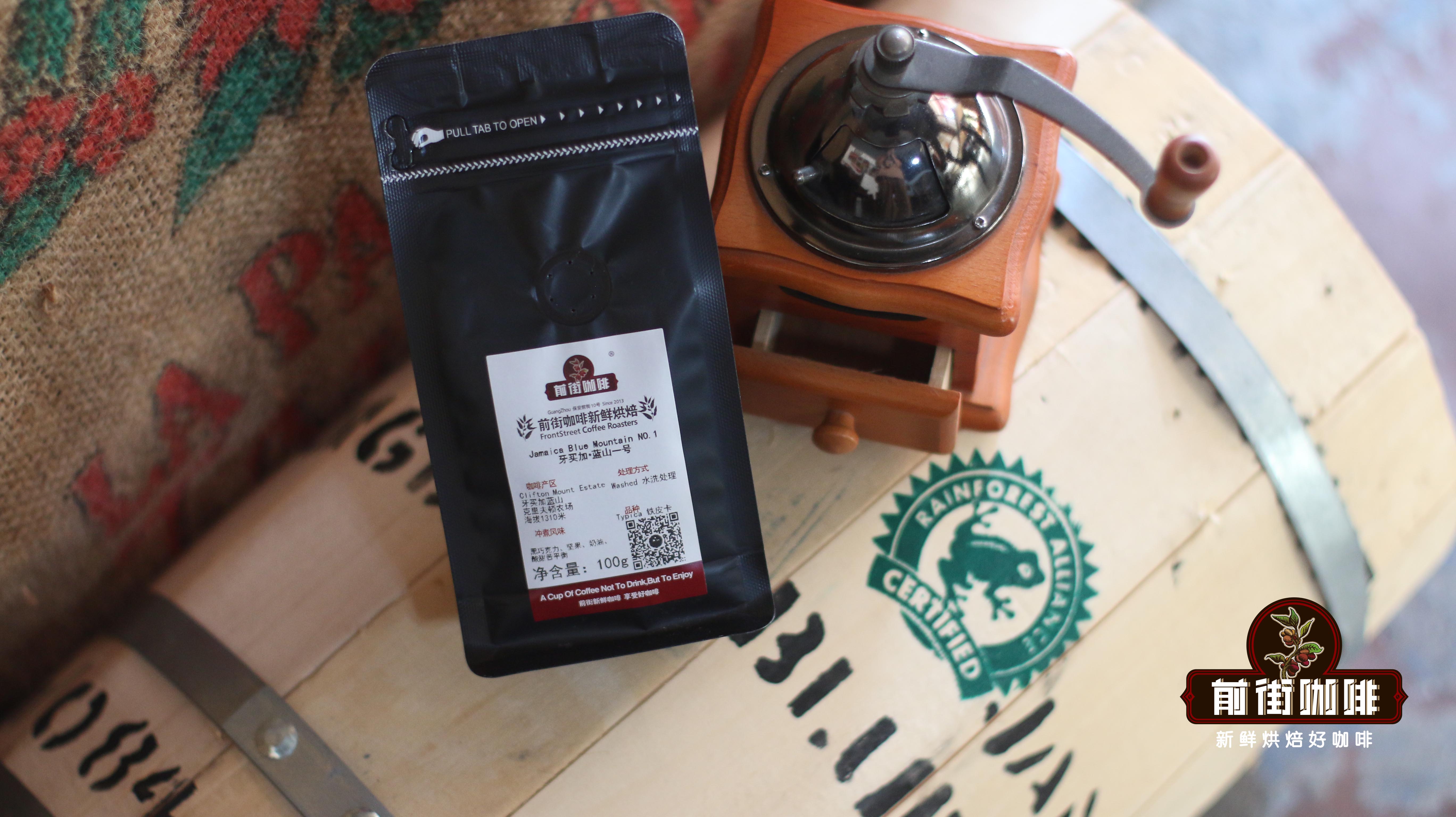
Jamaican Blue Mountain Coffee Bean Grading System and Flavor Comparison of Major Global Producing Regions with Taste Profile Analysis
Jamaican Blue Mountain coffee is hailed as a gem of the coffee world, captivating enthusiasts with its unique balance of acidity, sweetness, and bitterness, along with its rich, full-bodied flavor. This article begins with common knowledge about the varieties and grades of Jamaican specialty coffee beans, systematically introducing the flavor characteristics of Blue Mountain coffee, while comparing the taste differences among major coffee-producing regions worldwide such as Yunnan, Colombia, Brazil, Mandheling, Mocha, and Java, helping coffee lovers build a clear framework for understanding flavors. The article also incorporates Front Street Coffee's recommendations and product information for Blue Mountain coffee, providing a reference for purchasing and tasting. [more…]
Analysis of the Differences Between Mandheling and Blue Mountain Coffee Bean Varieties: From Origin and Processing Methods to a Cupping and Pour-Over Flavor Comparison
Mandheling and Blue Mountain are often regarded as the two leading representatives of full-bodied coffee, yet the two differ significantly in their regional terroir, varietal selection, green bean standards, and processing methods. Blue Mountain coffee comes from Jamaica's Blue Mountain region, is wet-processed, and consists mainly of the Typica variety, giving it a balanced and delicate flavor; Golden Mandheling, by contrast, originates from Sumatra, Indonesia, is processed using the wet-hulling method, and is rich, intense, and layered. Drawing on the cupping and pour-over practices of Front Street Coffee (FrontStreet Coffee), this article systematically sorts through the geographical backgrounds, processing methods, green bean characteristics, and brewing performance of these two coffees, helping coffee enthusiasts clearly distinguish the stylistic divide between them. [more…]
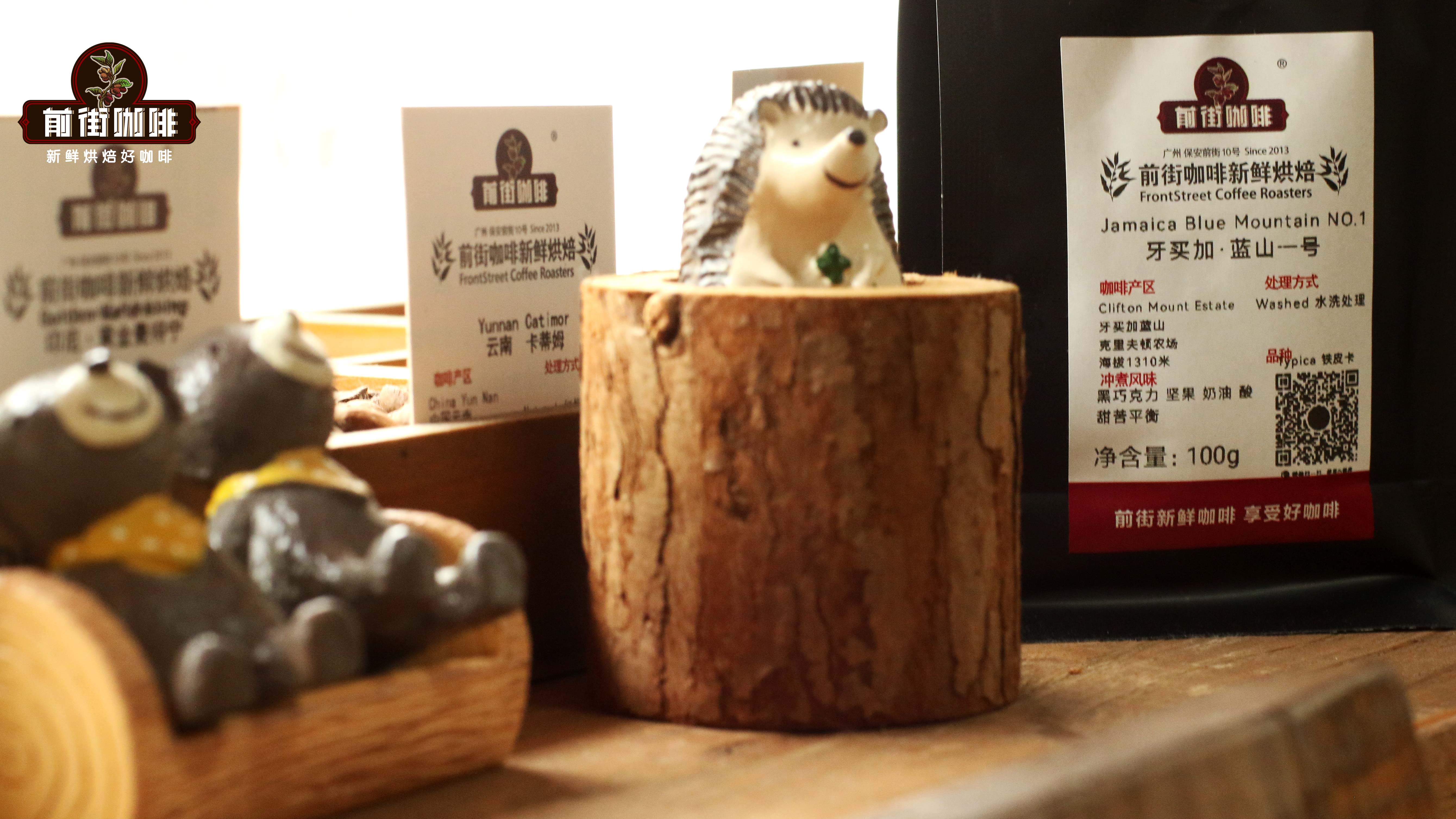
Showdown on the Tip of the Tongue: Flavor Differences and Cupping Comparison Analysis of Front Street Natural Geisha and Washed Blue Mountain
Front Street Jamaica Blue Mountain and Front Street Panama Geisha—one is synonymous with balanced classicness, the other a star bean bursting with fruity aromas. Through a comparison of dry and wet aromas and cupping flavors, this article breaks down in detail the differences between the two in acidity, sweetness, body, bitterness, and aromatic layering, helping you find the cup that best suits your taste. Whether you are a purist pursuing the original taste of coffee or an explorer drawn to rich complexity, you will gain clear purchasing and tasting references from it. [more…]
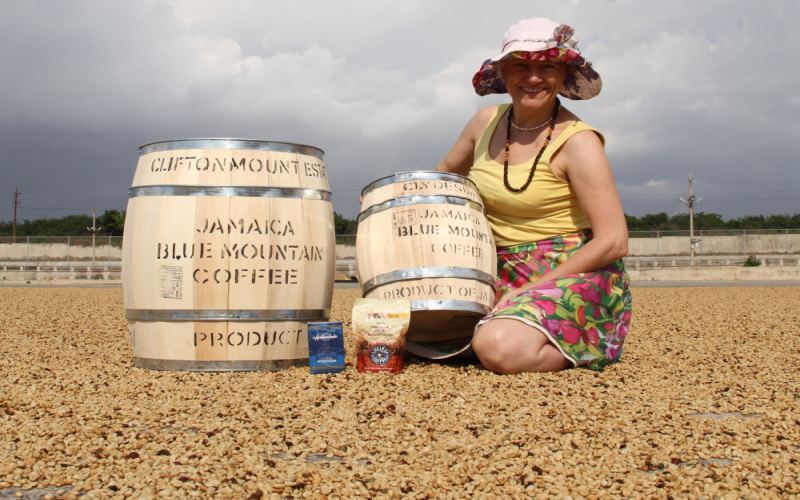
Jamaican Blue Mountain Coffee vs Cappuccino Taste Comparison: Blue Mountain Coffee Bean Grades, Prices, and Key Points for Authenticity Identification
Blue Mountain coffee is often regarded as the pinnacle of coffee, but the market is flooded with products bearing the name "Blue Mountain." What grade do coffee beans truly grown in Jamaica's Blue Mountains actually belong to, why do their prices remain so high, and how does their taste compare with cappuccino? This article, from the perspective of Front Street, sorts out the production region system, grading standards, and historical quota changes of authentic Blue Mountain coffee, introduces the characteristics and brewing suggestions of Clifton Farm Blue Mountain No. 1, distinguishes between Blue Mountain flavor coffee beans and Blue Mountain instant coffee, and finally explains the suitable audiences for Blue Mountain coffee and cappuccino respectively. [more…]
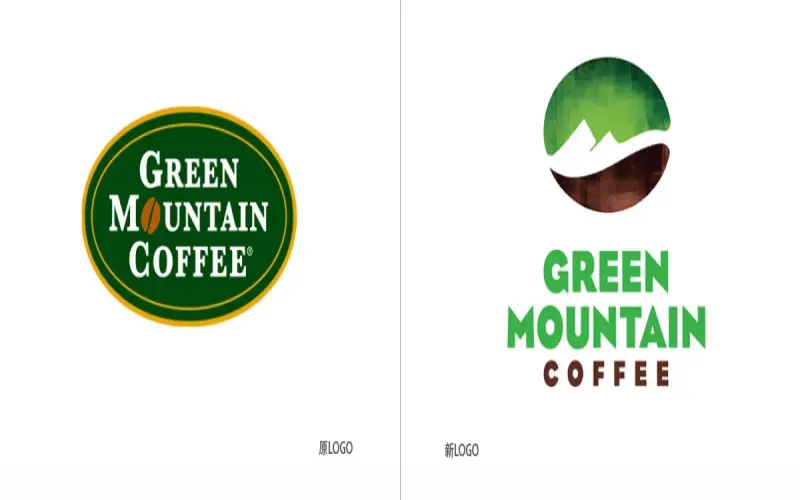
What is the difference between Green Mountain Coffee and Blue Mountain Coffee? A comprehensive comparison of their prices, taste profiles, and origin characteristics
People often talk about Blue Mountain coffee, but where does Green Mountain coffee come from? Though their names sound similar, one is actually a brand from Vermont in the United States, while the other is a top-tier representative of a Jamaican growing region. From the perspective of Front Street Coffee, this article first sorts out Green Mountain Coffee's brand positioning and K-Cup design, then takes a deeper look at the cultivation history, grading standards, and methods for identifying authentic Jamaican Blue Mountain. It also includes the growing region information, brewing parameters, and flavor description of the Blue Mountain No. 1 currently sold by Front Street, helping coffee lovers distinguish the differences between the two and choose the cup that suits their taste. [more…]
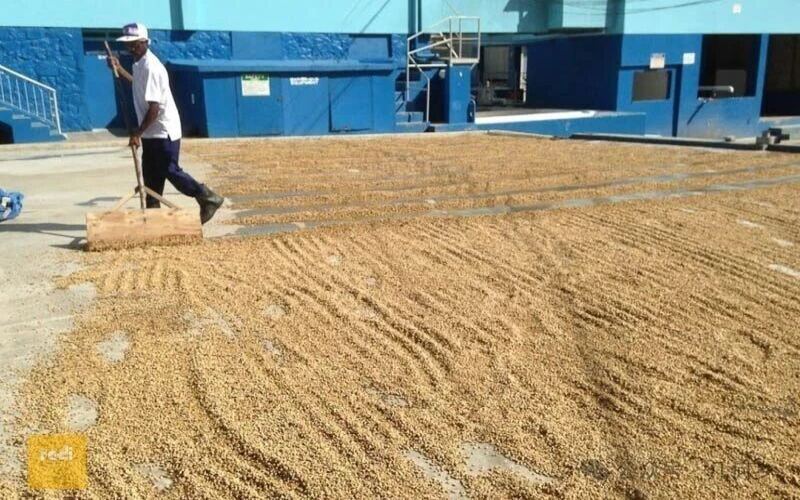
A Complete Guide to Buying Jamaican Blue Mountain Coffee: Market Trends, Channel Comparison, and Pitfall Avoidance
Blue Mountain coffee originates from Jamaica's Blue Mountain region at an elevation of 2,256 meters. Thanks to fertile volcanic soil, abundant rainfall, and suitable temperature and light conditions, it boasts outstanding quality. However, its annual output is less than 2,500 tons, and due to historical reasons, most of it is bought up by Japan's UCC, resulting in a long-term supply shortage. In earlier years, the lack of proper import channels in China led to a flood of counterfeits and widespread misunderstandings. Today, purchasing channels have diversified, including Front Street Blue Mountain No. 1, UCC buying agents, Taobao bulk offerings, authorized distributors, and green bean traders. This article reviews the latest market conditions and the pros and cons of each channel, and reminds you to watch out for issues such as confusion over Blue Mountain flavor profiles and chaotic pricing, helping you make rational choices when buying authentic Blue Mountain coffee. [more…]
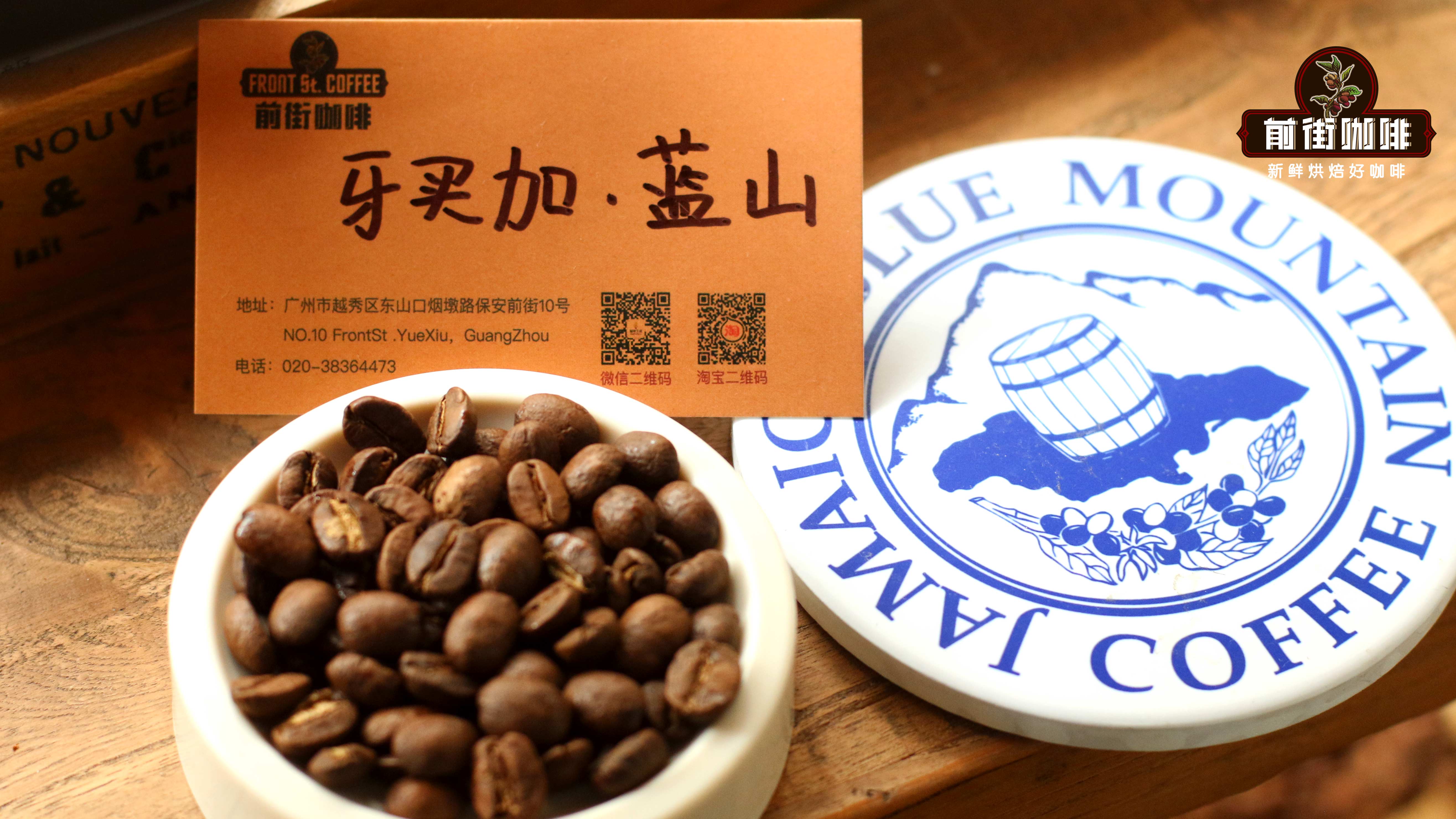
Flavor Characteristics and Brewing Guide for Authentic Jamaican Blue Mountain No. 1 Coffee Beans: Water Temperature, Grind Size, and Washed vs. Natural Comparison
Blue Mountain coffee is a legend in the hearts of countless coffee lovers, but most products on the market bearing the name "Blue Mountain flavor" have nothing to do with authentic Blue Mountain. The truly Jamaica Coffee Board-certified Blue Mountain No. 1 is scarce in production and subject to stringent standards. The Blue Mountain No. 1 listed by Front Street Coffee comes from Clifton Estate, which holds Rainforest Alliance certification and barrel export qualifications. This article will examine, one by one, the growing environment of the Blue Mountains, the history of Clifton Estate, the characteristics of the Typica variety, the differences between the washed and natural processing methods, and the grading standards and certification system for Blue Mountain coffee. It will also share the brewing method recommended by Front Street, including the use of the KONO dripper, the coffee-to-water ratio, water temperature, and grind size, and compare the flavor differences between natural and washed Blue Mountain, helping readers gain a comprehensive understanding of this legendary coffee. [more…]
An Analysis of the Flavor Differences Between Natural and Washed Blue Mountain Coffee and a Guide to Brewing Natural Blue Mountain
Front Street Coffee's Blue Mountain coffee has long presented a classic balanced flavor through wet processing. Since 2019, it has begun exploring natural processing, and in 2020, it first exported small batches of natural Blue Mountain. This article systematically compares two Blue Mountain No. 1 coffees from Jamaica's Clifton Farm—natural and washed—from brewing techniques to flavor performance. Clifton Farm has an average elevation of 1,310 meters, a cultivation history dating back to the mid-eighteenth century, and is the only coffee farm in Jamaica certified by the Rainforest Alliance. The article will document brewing parameters and techniques in detail, and separately describe the aroma, acidity, sweetness, body, and aftertaste of the two coffees, helping coffee enthusiasts understand the specific flavor differences between natural Blue Mountain and washed Blue Mountain, while also providing brewing suggestions for natural Blue Mountain. [more…]
A Comprehensive Guide to Jamaican Blue Mountain Coffee: Origin Conditions, Grading, Authenticity Verification, and Brewing & Flavor Comparison
Blue Mountain coffee is almost the most well-known name in the world of specialty coffee; even many people who have never tasted it have long heard of its reputation. Mellow, balanced, and expensive—these labels have made Blue Mountain a benchmark by which many people measure good coffee. However, the many products on the market labeled "Blue Mountain flavor" or "Blue Mountain blend" are far removed from genuine Jamaican Blue Mountain. This time, Front Street Coffee is offering Blue Mountain No. 1 from Jamaica's oldest estate, Clifton Estate, which holds qualifications such as export designation by the Coffee Industry Board (CIB), wooden barrel-packed green beans, and Rainforest Alliance certification. This article will explain one by one the geographical conditions of the Blue Mountain producing region, the background of Clifton Estate, the characteristics of the Typica variety, the differences between washed and natural processing methods, the CIB certificate system and grading standards, as well as Front Street's actual brewing parameters and flavor performance, helping coffee enthusiasts build a complete understanding of authentic Blue Mountain coffee. [more…]
Yirgacheffe vs. Major Global Coffee Regions: A Detailed Comparison of Taste and Grading from Mandheling to Geisha
When we talk about coffee flavors, descriptors like tropical fruit, caramel, nuts, and cocoa actually all originate from the SCAA (Specialty Coffee Association of America) flavor wheel. This article will take Ethiopia's Yirgacheffe as a starting point and provide a横向 comparison of the taste characteristics and grading systems of major renowned coffee-producing regions around the world, covering Mandheling, Blue Mountain, Hawaiian KONA, Geisha, Brazil, Colombia, Kenya AA, Guatemala Antigua, and Costa Rica, among others. Whether you are just getting into single-origin coffee or want to gain a deeper understanding of the differences among producing regions, this article will help you build a clear sensory coordinate system. Front Street Coffee will also recommend bean varieties worth trying. [more…]
Comprehensive Comparison of Blue Mountain Coffee and Yirgacheffe: Analysis of Origins, Varieties, Flavor Profiles, and Brewing Key Points
In the world of specialty coffee, Jamaican Blue Mountain and Ethiopian Yirgacheffe stand as the ultimate representatives of two distinct styles. The former is renowned for its nutty and chocolatey notes and its balanced ratio of acidity, sweetness, and bitterness, while the latter has won over countless palates with its jasmine florals and bright fruity acidity. Which one is better? Front Street Coffee believes that drinking coffee is an extremely subjective matter—rather than debating who comes out on top, it is better to analyze them one by one, from origin terroir, variety characteristics, to processing methods, and then make a judgment based on your own taste preferences. This article will guide you through a complete understanding of the unique qualities of these two coffees, covering producing region background, grade classification, variety differences, brewing parameters, and more. [more…]